MakeUGC vs UGCfy AI
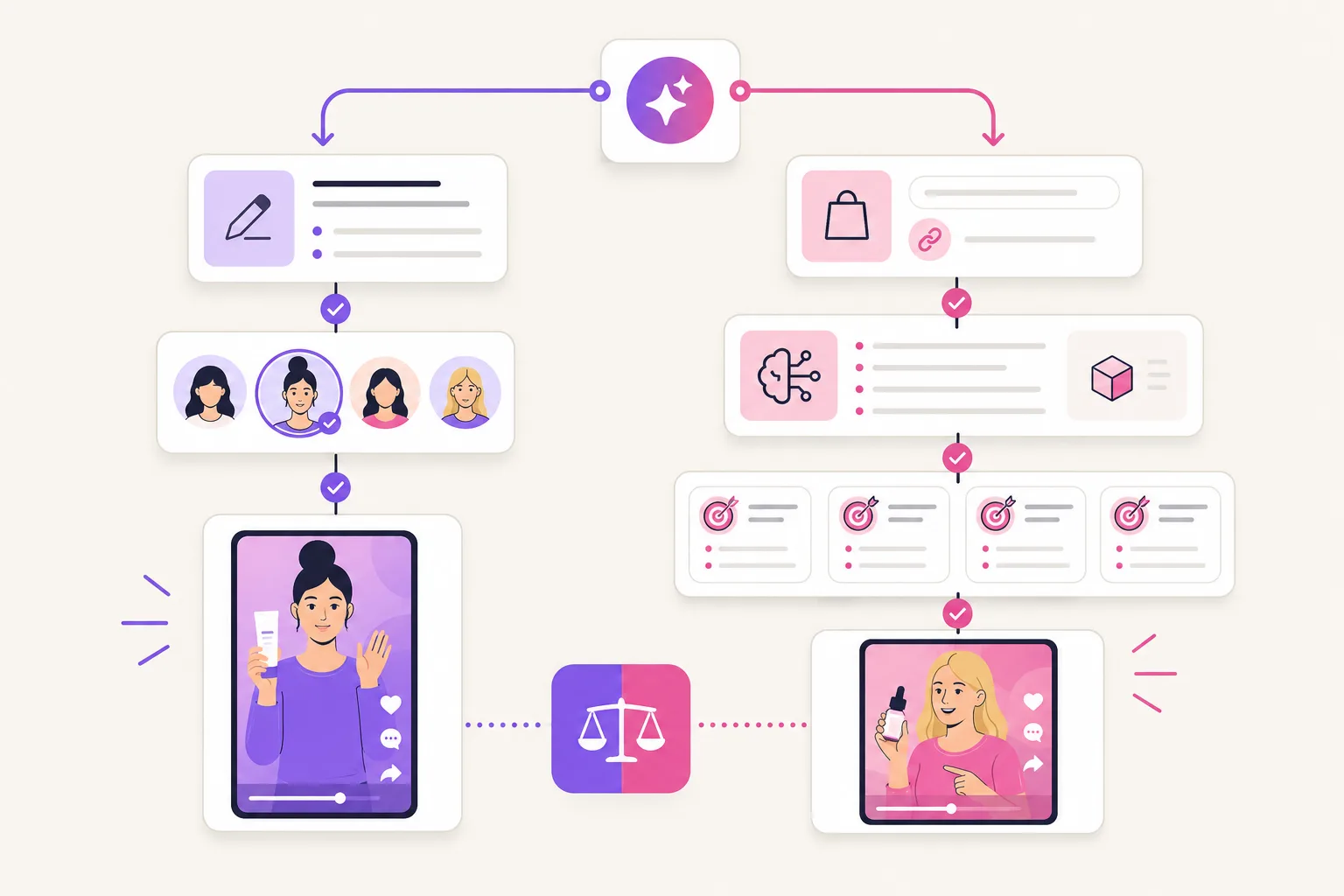
Both can help make creator-style ads. The practical difference is whether your workflow starts with a script and avatar choice, or with product research and a product-link creative brief.
Decision pointMakeUGCUGCfy AI
Core job
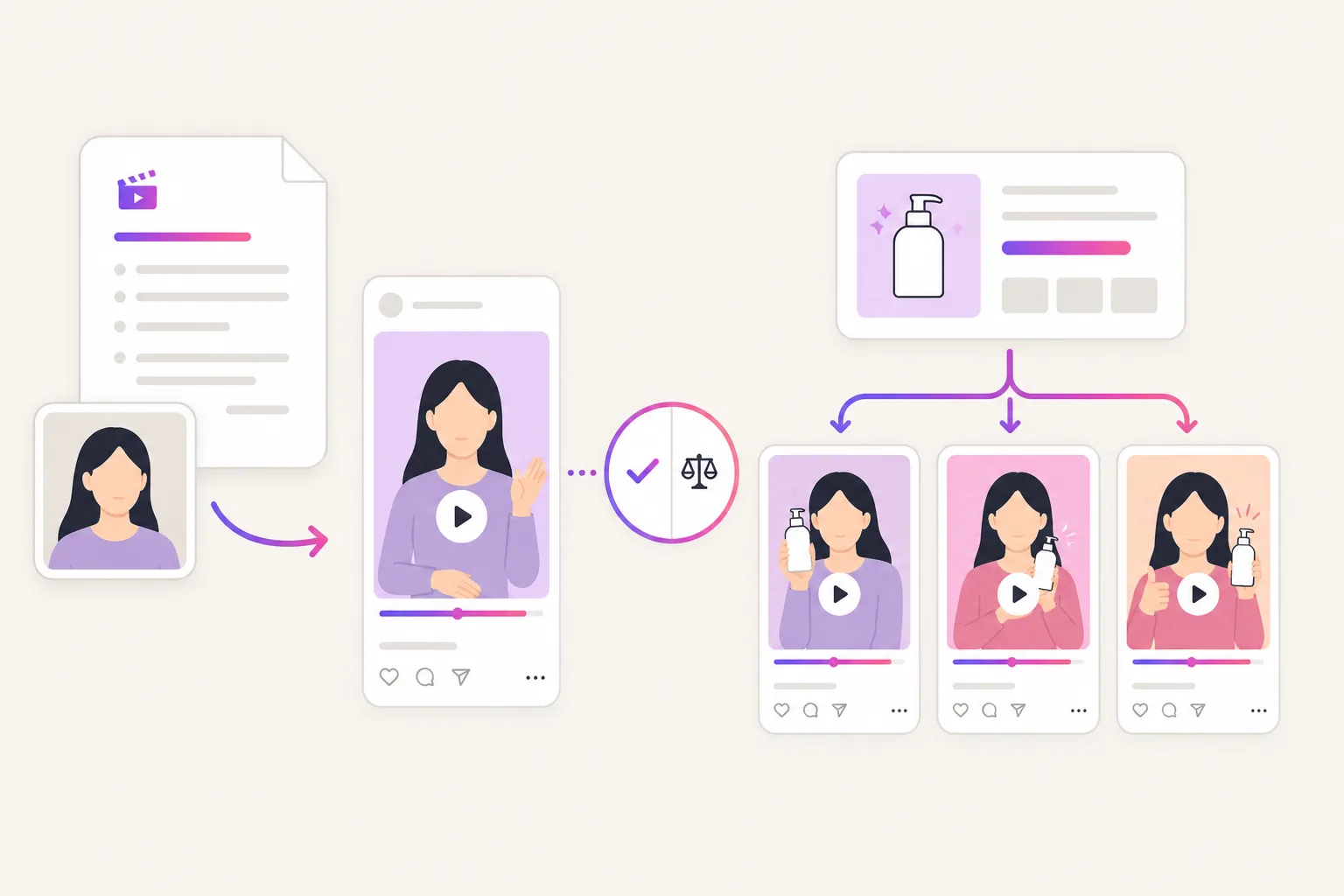
Turn a written or AI-generated script and selected avatar into a creator-style video.
Turn a product link into UGC hooks, scripts, AI actors, captions, and TikTok or Meta-ready ad videos.
Best starting input
Best when the team already knows the message, creator direction, and scene it wants to test.
Best when the product page is the brief and the team wants help extracting benefits, objections, and ad angles.
Actor and scene workflow
Public pages highlight AI avatars, talking-head output, multiple scenes, languages, and an option for creators to hold a product.
Focuses AI actors on product demos and testimonial-style ads generated from product information and short-form UGC scripts.
Script workflow
The public flow starts with entering or automatically generating a script before selecting an avatar.
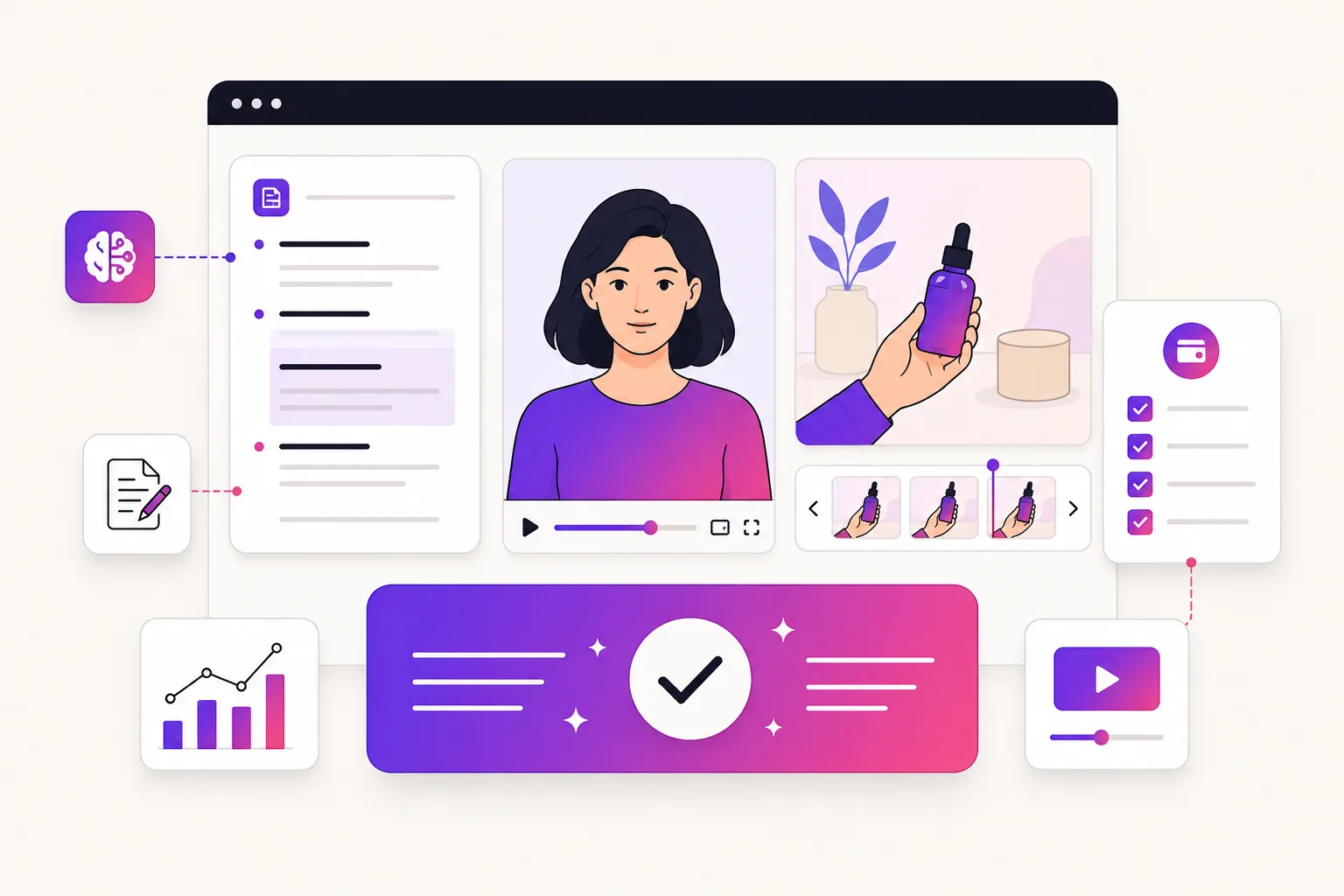
Uses the product page to create hook-first UGC scripts around product claims, buyer objections, and product images.
Creative testing
Useful when testing different actors, scenes, and delivery against an approved concept.
Useful when testing multiple product angles before briefing creators or scaling spend.
Pricing decision
Confirm the current plan, credits, model usage, exports, and renewal terms inside MakeUGC before buying.
Plans are listed publicly with credits, seats, scene estimates, commercial rights, and refund policy on the pricing page.