
UGC-Style Ads: How to Make Creator-Style Video Without Misleading Viewers
How to produce UGC-style ads that feel native to the feed without misleading viewers: hooks, product use, honest proof, captions, and clear disclosure.

Practical guides, production workflows, and honest comparisons for teams making creator-style ads with AI.
How to produce UGC-style ads that feel native to the feed without misleading viewers: hooks, product use, honest proof, captions, and clear disclosure.

A step-by-step creative testing framework for UGC ads: one-variable hypotheses, hook matrices, naming rules, and evidence thresholds for TikTok and Meta.
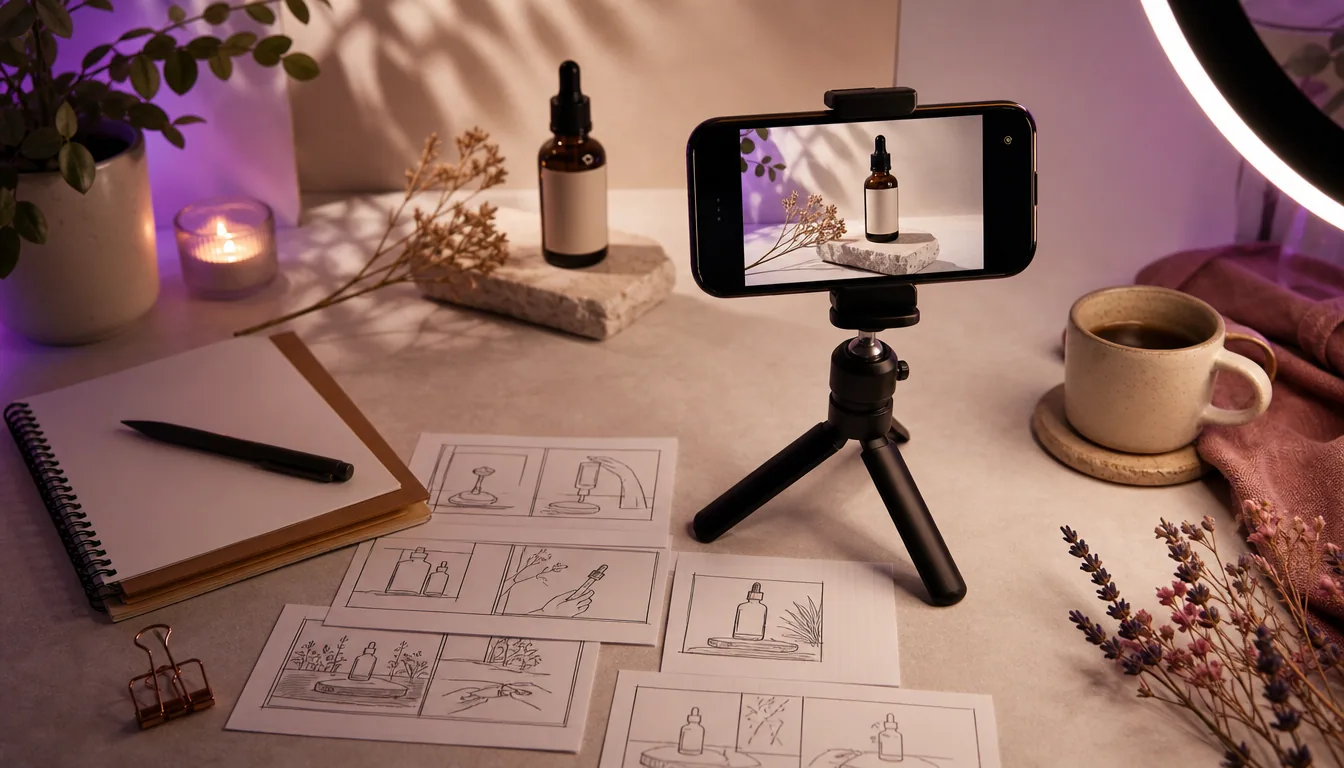
Break down 8 creator-style Meta ad patterns across the hook, demo, proof, offer, and CTA, plus an adaptation checklist for Facebook and Instagram.
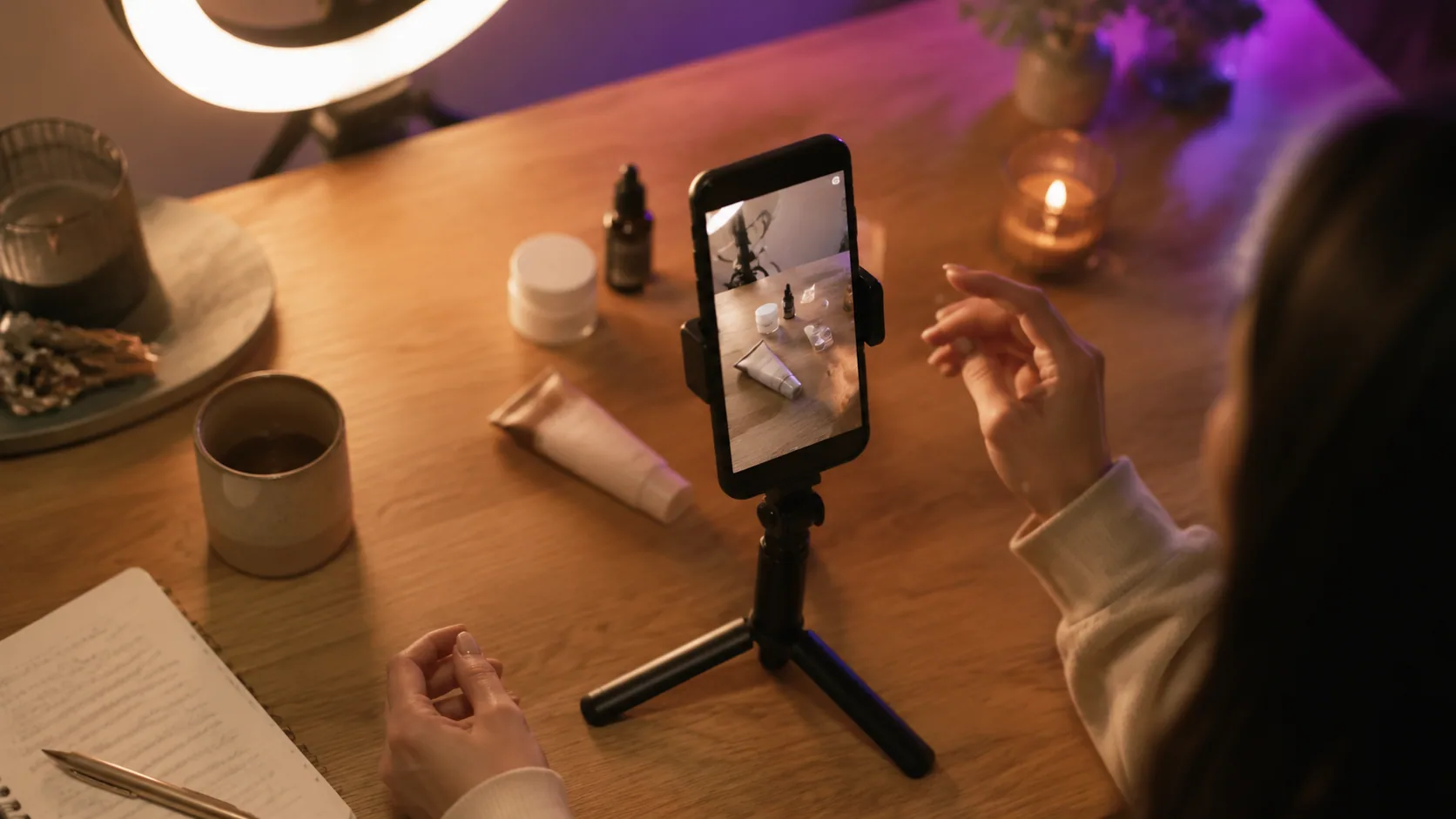
Ten repeatable TikTok ad patterns broken down by hook, proof, pacing, captions, and CTA, with a practical way to turn each into testable UGC variants.

Turn a product brief into repeatable creator-style ads. A practical UGC marketing system covering briefs, hooks, proof, testing, and disclosure.

A quality-control checklist for realistic AI UGC video, covering product consistency, presenter movement, lighting, captions, claim support, and disclosure.

Twelve AI video prompt templates for UGC-style ads, plus the seven variables that make each prompt testable, repeatable, and safe to run.

Five reusable UGC ad script templates for TikTok and Meta ads, with fill-in prompts, a first-test plan, and the line between a brief and a false endorsement.

25 TikTok hooks for UGC ads, sorted by creative job: pain, demo, proof, contrast, objection, offer. Plus a practical first-three-second testing matrix.

Compare AI UGC pricing in 2026: monthly plans, credits, usable renders, and hidden fees, plus a dated method to calculate real cost per video.

Yes — AI UGC ads are legal in the US, UK, and EU if they don’t deceive, disclose AI content where required, and respect likeness rights. Checklist inside.

An honest comparison of AI UGC video generators in 2026: evaluation criteria, best-for and avoid-if guidance, dated caveats, and a self-interest disclosure.